1. Listen first
The team asks what the resident wants to keep and what worries them most. Nothing starts until those answers are heard.
Lakeland, NY · Onondaga County
Is it time to ask for hoarding help in Lakeland, NY? A cleanup team can sort with the resident, protect keepsakes, remove trash and pest damage, and clean the home. Call (877) 812-4220 to ask questions.
If anyone is in danger, call 911 first. For a suicide crisis, call or text 988.
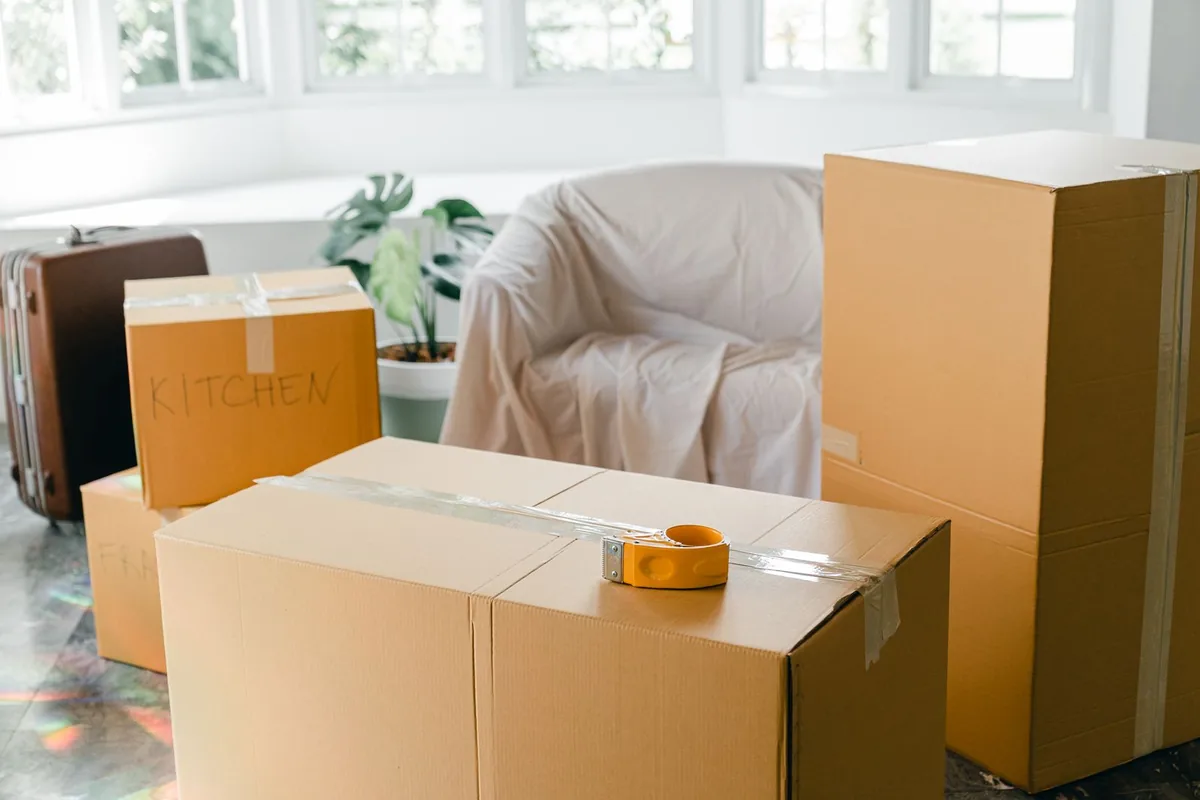
Hoarder house cleaning means making a crowded home safe to live in again. The cleanup team works room by room, sets aside valuables and papers, removes spoiled or damaged items and treats odor, mold and pests where they are found.
Landlords, relatives and residents across Onondaga County can get hoarder clean up in Lakeland that works toward a deadline. You see the plan once the team has seen the home. Call Lakeland Biohazard Cleanup Help to set up a visit.
About 26% of residents in Lakeland are sixty-five or older, and older adults often need a gentler pace, short sessions and clear paths for walkers. Most homes in Onondaga County are owner-occupied, with about 34% rented. Owners and their families usually decide the pace and what stays.
What hoarding cleanup covers:
The team asks what the resident wants to keep and what worries them most. Nothing starts until those answers are heard.
Hauling routes are marked, trash bags and bins are set up, and protective equipment is put on. The neighbors are considered, too.
Items go into keep, donate and remove groups. Spoiled food and unsafe items leave first.
The home is walked with the resident. The team points out what changed and what still needs attention.
Hoarding cleanup in Lakeland, NY typically costs $500 to $25,000, depending on the size of the affected area and the materials involved.
Pace affects hoarder cleanup pricing. Working slowly with the resident over several visits uses more crew time than a single sweep, though it is often the approach that holds up.
| Type of job | Typical range |
|---|---|
| Level 5, severe | $10,000 - $25,000+ |
| Most homes, per square foot | $1 - $2 per square foot |
| Level 2 | $1,000 - $3,000 |
| Level 3 | $2,000 - $5,000 |
Estimates only, not a quote. Sources: Dropcurb, Lifecycle Transitions. Price drivers include level of accumulation, home size, whether exits and rooms are blocked, pests or animal waste. Call (877) 812-4220 to talk through the job.
Hoarding disorder is a recognized mental health condition. Whether it counts as a disability for housing or work depends on the situation and the law. A tenant rights group, a housing agency or an attorney can answer for a specific case.
Usable items go to donation or recycling where possible. Spoiled, damaged or unsafe items are disposed of correctly, and waste that may carry germs is handled as regulated medical waste.
Hoarding disorder is a recognized mental health condition in its own right. Only a doctor or mental health professional can say what applies to a particular person. A cleanup team does not diagnose, and it treats every resident with respect.
Most often the resident or the property owner pays, and family members sometimes share the cost. In a rental, the lease and local law decide between landlord and tenant. Some local aging services or housing agencies help in some places, so it is worth asking.
Speak calmly, start with safety and ask what they want to keep. Avoid blame and surprises, and agree on a small first step. Many people feel more at ease once they know who will be in the home and what will happen.
A lightly crowded room with a willing resident can be a do-it-yourself project with gloves, a mask and a helper. Beyond that, hidden hazards, heavy items and the emotional strain make a team the safer choice.
Call and ask how valuables, papers and keepsakes are kept safe.
Call (877) 812-4220